1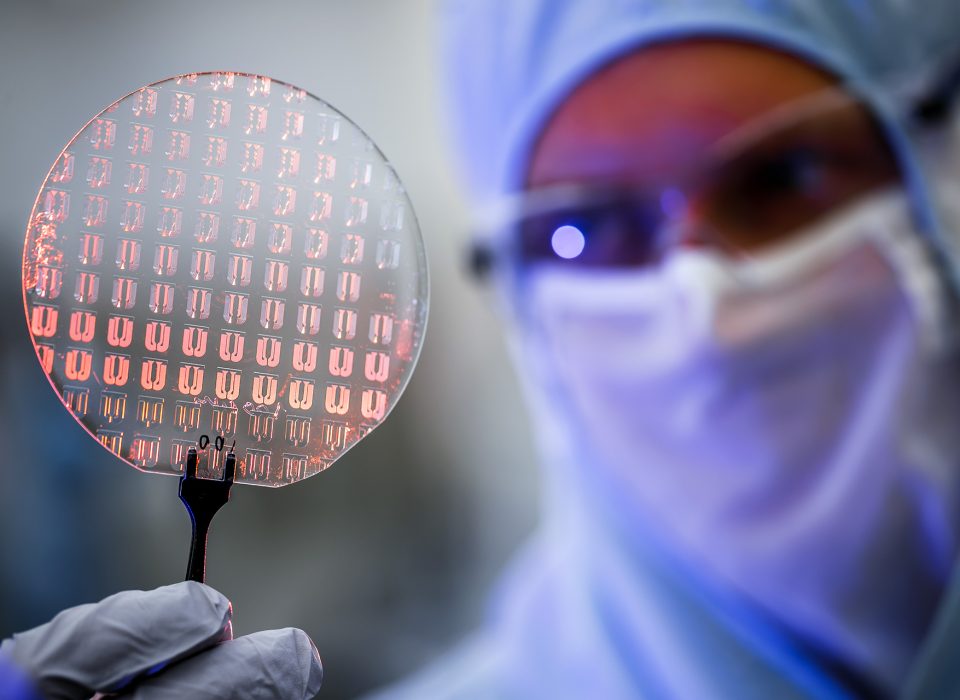
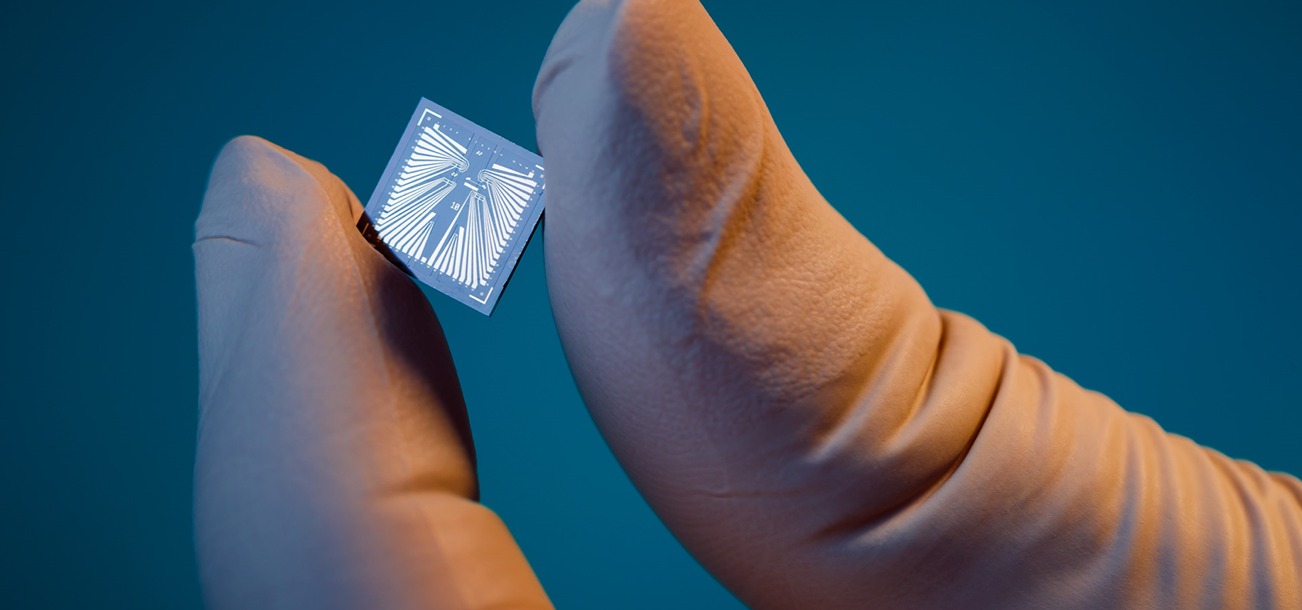
Customised multi-sensor chip
Semiconductor sensors give high sensitivity at extreme miniaturisation, with several biomarkers on one die.

Illustrative visualisation. Not the exact device and not clinical data.
The Lab-on-Skin™ chip, born at the EPFL Nanolab, tracks inflammation and other critical biomarkers in real time, from the ICU to outpatient care and the home.
Explore the technologyEvery Xsensio solution is built on the same core system, then tailored to the clinical or wellness question it has to answer.
Semiconductor sensors give high sensitivity at extreme miniaturisation, with several biomarkers on one die.
Brings interstitial fluid to the sensors, so readings come from the body's internal state, not from the surface.
On-demand or continuous data streaming, made securely available in real time.
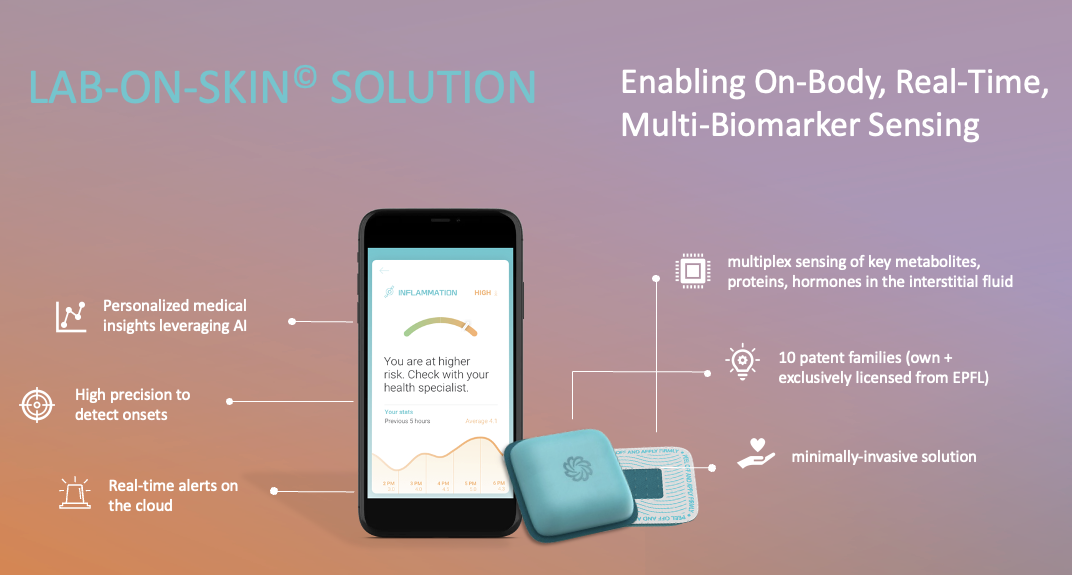
Developed per application, independently or with partners, to turn raw sensor data into actionable insight.
Depending on the use case, the Lab-on-Skin™ chip carries a specific set of biochemical sensors. The first product focuses on early detection of organ dysfunction.
Continuous tracking where earlier detection of clinical deterioration changes how and when care decisions are made.
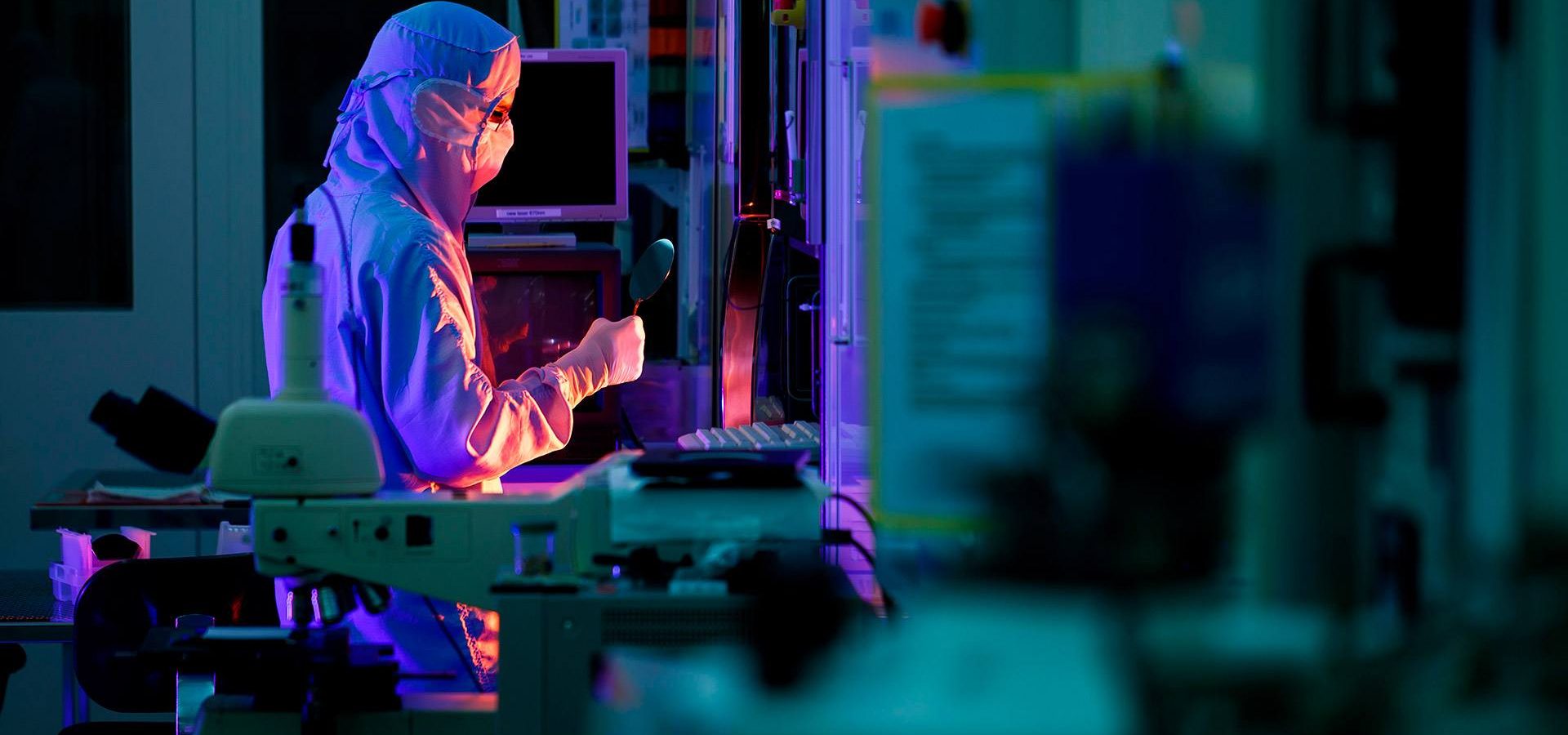
The sensing platform was developed at the Nanolab of the Swiss Federal Institute of Technology in Lausanne. Nanotechnology, biochemistry and microfluidics come together to detect subtle physiological changes as they happen.
Xsensio aims to become the leading company in wearable systems that continuously monitor our physiological state to detect risks in real time.
MBA from MIT. Previously a manager at Boston-based investment firm Commons Capital.
Full Professor at EPFL, where he leads the Nanolab.
PhD in micro and nanoelectronics from the Swiss Federal Institute of Technology.
Builds the library of biochemical applications for the platform.
Led by WI Harper with Privilège Ventures, the European Innovation Council and private investors, the round accelerates development and clinical validation of the Lab-on-Skin™ platform.
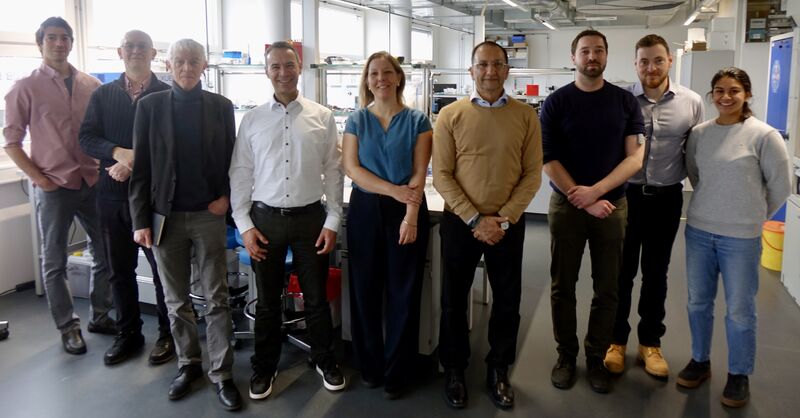
Critical care, oncology and surgical teams exploring continuous biochemical monitoring with Xsensio.
Discuss a collaborationMedtech, semiconductor and wellness companies building on the Lab-on-Skin™ platform.
Talk partnerships